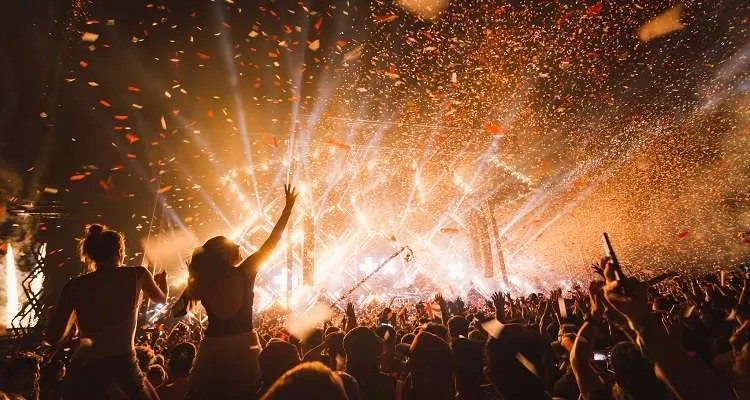
Global music festivals have transcended simple music events to become a mirror reflecting the evolution of the music industry and fan culture. Since international travel resumed in full after 2024, the world's major festivals are being reorganized around new keywords: sustainability, genre fusion, and cultural diversity. From Coachella and Glastonbury to Pentaport and Waterbomb, we examine the currents of music festival culture in 2026.

A Fresh Face for Global Festivals: Diversity and Accessibility
When Coachella 2026 announced its headliners—Sabrina Carpenter, Karol G, Justin Bieber, and immersive electronic artist Anima—both weekends sold out within the first week. General admission tickets for Weekend One started at $649. This goes beyond simply gathering popular artists; it demonstrates how much of a cultural event music festivals have become for audiences worldwide.
What's interesting is the diversity of this lineup. Pop, techno, indie, and hip-hop coexist on the same stage, showing that genre boundaries are increasingly blurring. The music industry's genre fusion trend is directly reflected in festival lineups, indicating that listeners' music tastes have become more diverse. With the normalization of international travel, the value of destination festivals is being reassessed. Festivals are no longer just "local events," but are being positioned as global events worth choosing as a travel destination.
"Coachella's instant sellout is a signal that fans want to go back into the world and experience music. Festivals have become both a music invitation and a travel invitation."
— Music Festival Analyst
The Era of Sustainability: The Future Festivals Promise
The most striking change in the 2026 music festival industry is the actualization of sustainability policies. Environmental management has become not a choice but a necessity, determining a festival's credibility. The industry standard is clear: all festivals must establish carbon reduction targets and publicly disclose a roadmap to reduce greenhouse gas emissions by 50% by 2030.
Plastic-free festival booths are now the standard, not an exception. Not only are attendees bringing reusable cups, paper straws, and their own containers, but festival organizers are also leading these initiatives. Beyond general waste management, festivals conduct detailed environmental impact assessments covering equipment recycling, eco-friendly materials for stage construction, and even the post-performance stage dismantling process.
This movement is not merely a marketing strategy. The primary festival audience—Gen Z and millennials—carries a sense of responsibility for climate change. An increasing number of attendees consider environmental policies when choosing festivals, making this a factor directly linked to the long-term competitiveness of the festival industry.
The Evolution of Festival Fashion: Where Nostalgia Meets Sustainability
When discussing festival culture, festival fashion cannot be overlooked. The disposable aesthetic of glitter and flower crowns that swept through the mid-2010s is now a thing of the past. The hallmark of 2026 festival fashion is a blend of free-flowing classic bohemian style and the bold energy of rave culture.
Adding neon accents to sand-colored palettes, layering psychedelic prints on earthy basics, and utilizing sheer materials define the center of the trend. Notably, these fashion choices intersect with sustainability. The revival of vintage fashion, interest in reusable accessories, and eco-friendly materials have made festival fashion a means of expressing both personal creativity and environmental responsibility.

The Globalization of Korean Festivals: The Rise of Pentaport and Waterbomb
The evolution of the global festival stage isn't limited to international events. Korea's major music festivals are also establishing competitive positions on the international stage. Incheon's Pentaport Music Festival will celebrate its 21st edition from July 31 to August 2, with the theme "Movement," which aims to extend music's influence from the stage to people, cities, and across Asia.
While maintaining its position as Korea's representative rock music festival, Pentaport is diversifying its genres. By featuring lineups that include not only rock musicians but also electronic, K-pop, and indie artists, the festival is responding to the changing musical tastes of younger generations.
Meanwhile, Waterbomb Festival is gaining attention from global tourists with its unique festival experience combining water-related activities. Building on music, dance, and performance art as its foundation, the festival has expanded beyond simple concert performances to comprehensive cultural entertainment by offering diverse side activities including water cannons, aquatic activities, and bungee jumping. Waterbomb 2026, to be held in Seoul and Busan, will feature a lineup of domestic and international artists centered on K-pop, hip-hop, and EDM.
"For Korean festivals to compete on the world stage, it's important to balance cultural identity with global trends. Pentaport and Waterbomb are festivals that are finding that balance."
— Music Festival Curator
The Ripple Effect of Glastonbury: The Maturity of Festival Culture
An interesting piece of news was the announcement that Glastonbury Music Festival 2026 will enter a fallow year. The family's fallow year policy reflects a festival management philosophy where this iconic British music festival doesn't simply repeat an annual event but contemplates long-term sustainability. This policy—recovering Worthy Farm's soil and returning it to its natural state without pesticides or chemical fertilizers—has a significant impact on the entire festival industry.
This demonstrates the maturity of music festival culture. There's a philosophy emerging that moves away from the pressure to hold events annually toward "let's wait until we really need to." Festival organizers are making decisions that consider environmental conservation, relationships with local communities, and long-term industry ecosystems. Glastonbury is set to return in 2027 with its 60th edition.

Greenhouse gas emissions
implementing plastic-free policies
Time to complete sellout
The Future of Music Festivals: The Convergence of Technology and Community
To predict the future of 2026 music festivals, we must examine how current trends are intersecting with technology. Virtual reality stage experiences, advanced live streaming, and expanded festival participation options through the metaverse are growing. This opens doors for fans with geographic limitations or physical barriers to experience festivals remotely.
Simultaneously, the value of offline festivals is increasing. Live music, encounters with strangers, and shared community experiences are things that can never be replaced by technology. The 2026 music festival scene is creating new forms of musical cultural experience by blurring the lines between digital and analog.
From Coachella to Pentaport, from Glastonbury to Waterbomb—music festivals around the world are evolving in waves of sustainability, genre fusion, cultural diversity, and technological innovation. This sense of balance, maintaining each festival's unique identity while keeping pace with global trends, will be the true harbinger of 2026's music festival culture. This summer, we invite you to a musical celebration unfolding somewhere in the world.