Alan Walker's 'Spectre' is a miracle of electronic music. This obscure beat, created in 2015 by a bedroom producer, recorded the fantastic figure of one billion views in 2022. What is even more surprising is the rebirth of the vocal version in 2017. Leaping over a seven-year time difference, 'Spectre' has been loved by fans around the world, proving the true universality of music.

From Bedroom to Billions
Alan Walker is a Norwegian music producer and DJ born in 1999. He began producing music in his bedroom at the age of seven, inspired by the legendary film composer Hans Zimmer. By the time he was a teenager, Walker had already mastered the basics of production, using free software like FL Studio. Unlike many producers who spend years struggling to gain recognition, Walker's career took a meteoric rise.
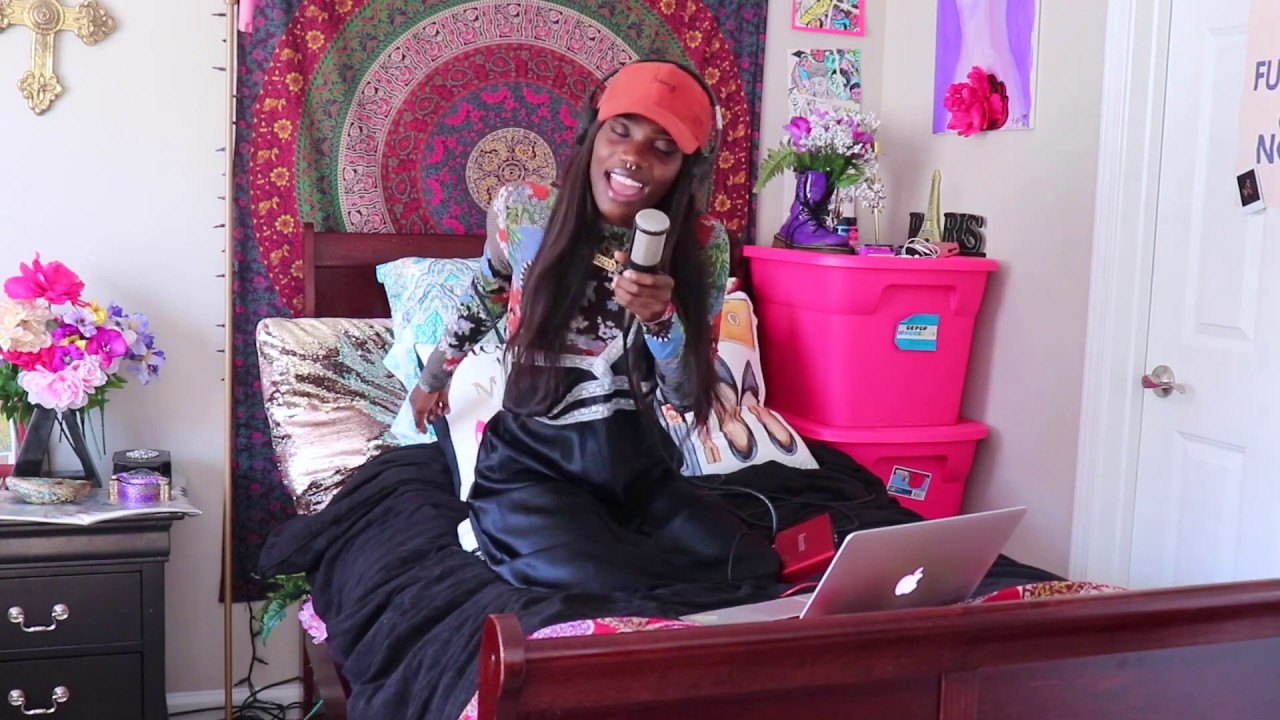
In 2015, at just sixteen years old, Walker produced 'Spectre' on a simple laptop in his bedroom. The track was uploaded to YouTube without high expectations, but something magical happened. Within months, it accumulated millions of views. The minimalist yet hypnotic instrumental captured something universal—a sound that transcended language and cultural boundaries.
The Magic of Minimalism
'Spectre' begins with a single haunting synthesizer melody that repeats throughout the track. This isn't complex; in fact, it's remarkably simple. Yet this simplicity is precisely what makes it so powerful. The track gradually builds, layer by layer, adding subtle electronic elements that create an emotional arc. The bassline is minimal but deep, the drums are crisp and precise, and every element serves a purpose.
"Good music doesn't need to be complicated. Sometimes the simplest idea is the most powerful one."— Alan Walker, in interviews
What separates 'Spectre' from countless other electronic tracks is its emotional weight. Unlike much of EDM that prioritizes the dance floor, 'Spectre' feels introspective. It's music you can dance to, but it's also music you can listen to while alone with your thoughts. This duality is rare and precious in electronic music.
The Vocal Reinvention
In 2017, two years after the original release, Walker released a vocal version of 'Spectre' featuring singer Wallay and E-Raptor. This version doesn't diminish the original; instead, it complements it. The addition of human vocals adds a new dimension to the track, transforming it from pure electronic meditation into a more narrative-driven piece. The lyrics speak of longing and distance, themes that resonate universally.
The decision to release a vocal version was crucial. While many producers might have abandoned the concept after the original proved successful, Walker chose to evolve it. This demonstrates artistic maturity—the understanding that a good idea can have multiple interpretations.
Global Impact and Legacy
'Spectre' has become one of the most iconic tracks in contemporary electronic music. It appears in films, television shows, and video games. Countless covers and remixes exist across the internet. In Korea, the track resonates particularly strongly, becoming a staple in PC bangs and gaming cafes.
More significantly, 'Spectre' launched Alan Walker into the upper echelon of electronic music producers. He has since collaborated with major artists, performed at international music festivals, and became a pioneering figure in the future bass and electronic pop fusion genres. His success story proves that in the modern music landscape, authenticity and emotional connection matter more than production budget or industry connections.
The Lesson of Simplicity
Today, 'Spectre' remains Walker's defining work. It exemplifies the principle that less is often more in music production. A single melody, repeated and evolved, can move millions. In an era of overly produced pop songs and increasingly complex electronic arrangements, 'Spectre' stands as a testament to the power of restraint and emotional clarity. The track proves that true artistry transcends technology—a simple synthesizer melody, produced by a teenager with a dream, can change the world.